Compensating conductors play a crucial role in various electrical and electronic systems, providing accurate signal transmission and compensation for temperature variations. As a supplier of compensating conductors, I often encounter questions from customers regarding the potential impact of radiation on these conductors. In this blog post, I will delve into the topic of whether compensating conductors are affected by radiation, exploring the underlying mechanisms, potential consequences, and strategies to mitigate any adverse effects. Compensating Conductor
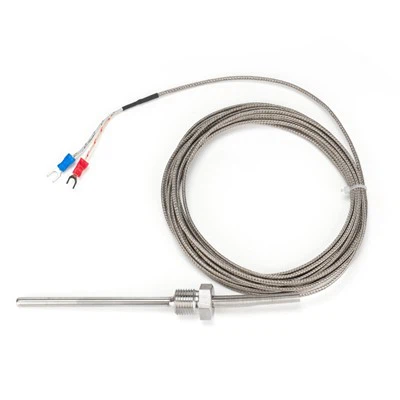
Understanding Compensating Conductors
Before we discuss the impact of radiation, it’s essential to understand what compensating conductors are and how they function. Compensating conductors are specifically designed to match the thermoelectric properties of thermocouples. They are used to extend the thermocouple circuit from the measurement point to the instrument, ensuring accurate temperature measurement by compensating for the temperature difference between the measurement point and the instrument.
These conductors are typically made of two different metals or alloys, chosen for their specific thermoelectric characteristics. When a temperature gradient exists along the length of the compensating conductor, a thermoelectric voltage is generated, which is proportional to the temperature difference. This voltage is then used to correct the temperature reading at the instrument, providing an accurate measurement of the temperature at the measurement point.
The Effects of Radiation on Compensating Conductors
Radiation can have several effects on compensating conductors, depending on the type and intensity of the radiation, as well as the properties of the conductor materials. The most common types of radiation that can affect compensating conductors are ionizing radiation, such as gamma rays and X-rays, and non-ionizing radiation, such as ultraviolet (UV) light and infrared (IR) radiation.
Ionizing Radiation
Ionizing radiation has enough energy to remove electrons from atoms, creating ions. When compensating conductors are exposed to ionizing radiation, several processes can occur:
- Material Degradation: Ionizing radiation can cause damage to the crystal structure of the conductor materials, leading to changes in their electrical and mechanical properties. This can result in increased resistance, reduced conductivity, and changes in the thermoelectric properties of the conductors.
- Radiation-Induced Defects: The high-energy particles in ionizing radiation can create defects in the conductor materials, such as vacancies, interstitials, and dislocations. These defects can act as scattering centers for electrons, increasing the resistance of the conductors and affecting their performance.
- Oxidation and Corrosion: Ionizing radiation can accelerate the oxidation and corrosion of the conductor materials, especially in the presence of oxygen and moisture. This can lead to the formation of oxide layers on the surface of the conductors, which can increase the resistance and affect the thermoelectric properties.
Non-Ionizing Radiation
Non-ionizing radiation, such as UV light and IR radiation, has lower energy than ionizing radiation and does not have enough energy to remove electrons from atoms. However, it can still have an impact on compensating conductors:
- Thermal Effects: IR radiation can cause heating of the compensating conductors, which can affect their thermoelectric properties. If the temperature of the conductors increases significantly, it can lead to changes in the thermoelectric voltage and affect the accuracy of the temperature measurement.
- Photochemical Effects: UV radiation can cause photochemical reactions in the conductor materials, leading to changes in their chemical composition and properties. This can result in degradation of the conductors and affect their performance over time.
Factors Affecting the Radiation Resistance of Compensating Conductors
The radiation resistance of compensating conductors depends on several factors, including:
- Material Selection: The choice of conductor materials plays a crucial role in determining their radiation resistance. Some materials, such as certain alloys and ceramics, are more resistant to radiation than others. For example, conductors made of nickel-based alloys are generally more resistant to ionizing radiation than those made of copper or aluminum.
- Conductor Design: The design of the compensating conductors can also affect their radiation resistance. For example, conductors with a larger cross-sectional area are generally more resistant to radiation-induced damage than those with a smaller cross-sectional area. Additionally, the use of shielding materials can help to protect the conductors from radiation.
- Radiation Environment: The type and intensity of the radiation environment also play a significant role in determining the radiation resistance of compensating conductors. For example, conductors exposed to high levels of ionizing radiation in a nuclear power plant will require a higher level of radiation resistance than those used in a normal industrial environment.
Strategies to Mitigate the Effects of Radiation on Compensating Conductors
To mitigate the effects of radiation on compensating conductors, several strategies can be employed:
- Material Selection: As mentioned earlier, the choice of conductor materials is crucial. Selecting materials with high radiation resistance can help to minimize the impact of radiation on the conductors.
- Shielding: Using shielding materials, such as lead or aluminum, can help to protect the compensating conductors from radiation. Shielding can be applied to the conductors themselves or to the entire cable assembly.
- Regular Inspection and Maintenance: Regular inspection and maintenance of the compensating conductors can help to detect any signs of radiation-induced damage early on. This can allow for timely replacement of the conductors and prevent any potential issues with the temperature measurement system.
- Monitoring and Calibration: Monitoring the performance of the compensating conductors and calibrating the temperature measurement system regularly can help to ensure accurate temperature measurement, even in the presence of radiation.
Conclusion

In conclusion, compensating conductors can be affected by radiation, both ionizing and non-ionizing. The effects of radiation on compensating conductors can include material degradation, radiation-induced defects, oxidation and corrosion, thermal effects, and photochemical effects. The radiation resistance of compensating conductors depends on several factors, including material selection, conductor design, and the radiation environment. To mitigate the effects of radiation on compensating conductors, strategies such as material selection, shielding, regular inspection and maintenance, and monitoring and calibration can be employed.
Smart Thermometer As a supplier of compensating conductors, we understand the importance of providing high-quality products that are resistant to radiation. Our compensating conductors are carefully designed and manufactured using materials with high radiation resistance, ensuring reliable performance in even the most challenging radiation environments. If you are in need of compensating conductors for your application, we invite you to contact us to discuss your requirements and explore how our products can meet your needs.
References
- ASTM E230 – Standard Specification and Temperature – Electromotive Force (EMF) Tables for Standardized Thermocouples
- IEC 60584 – Thermocouples – Part 1: Reference Tables
- Radiation Effects on Materials in Nuclear Power Plants, Nuclear Energy Agency
Jiangsu Zhaolong Electric Co., Ltd.
We’re well-known as one of the leading compensating conductor manufacturers and suppliers in China, featured by quality products and low price. Please feel free to buy customized compensating conductor made in China here from our factory. Contact us for more details.
Address: No. 80, Zhangguo Chang’an Road, Dainan Town, Xinghua City, Jiangsu Province
E-mail: 180193845@qq.com
WebSite: https://www.cnzhaolong.com/
