Hey fellow cat parents and industry folks, let’s cut to the chase: when you’re grabbing a bag of cat litter, do you actually read what’s on the label? As a cat litter packaging supplier, I’ve seen so many brands skip key info that makes or breaks a cat owner’s choice—and honestly, it’s a big miss. For us, packaging isn’t just about a cute cat photo or a snappy slogan; it’s the first line of trust between a brand and the person (and their fur baby) relying on their litter. Today, I’m breaking down exactly what needs to be on those labels to keep everyone in the loop, no jargon, no fluff. Cat Litter Packaging
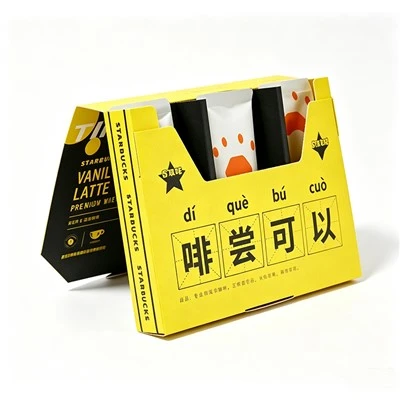
First up—product basics that sound obvious, but you’d be shocked how many brands half-ass this. Every label needs the full product name, right? Like, don’t just slap “Cat Litter” on there. If it’s clumping clay, say “Natural Clumping Clay Cat Litter”. If it’s crystal silica, specify “Low-Dust Crystal Silica Cat Litter”. And don’t forget the net weight—no one wants to buy a “10lb” bag that’s actually 9.5lb once you get it home, that’s a cheap trick we’ve seen brands pull, and it kills credibility. Oh, and ingredient lists? Not the vague “natural materials” garbage. Be specific: if it’s wheat litter, write “100% reclaimed wheat byproduct, no added fragrances”. If it’s pine, say “soft wood pulp from sustainable pine forests”. Owners need to know what their cat is stepping in, especially if kitty has allergies or sensitive paws.
Next, the “safety stuff” that’s non-negotiable, especially for households with kittens or curious kitties who love to nibble. We can’t tell you how many times we’ve had clients come to us because their old packaging didn’t list “non-toxic” clearly. Wait, but not just “non-toxic”—specific hazard warnings. If a litter has silica gel, the label needs to say “Do not ingest; keep away from small children and cats who chew on litter”. For clumping clay made with sodium bentonite, note that large ingestions can cause intestinal blockages, especially for kittens. And if it’s flushable? Big one—you have to say “Safe for septic systems” or “Not recommended for municipal sewer lines” because so many people flush litter and clog their toilets. We’ve had customers complain about that, so brands can’t skip this.
Then there’s the performance specs that cat parents actually care about. Let’s be real: no one buys litter that smells like a litter box 2 hours after scooping. Odor control needs to be front and center—don’t hide it in fine print. If it’s activated charcoal, write “Odor control powered by food-grade activated charcoal, absorbs ammonia for 7 days”. If it’s scented, specify the fragrance: “Light lavender scent, no synthetic overtones” or “Unscented, fragrance-free for sensitive cats”. And dust levels—super important for people with asthma or dust allergies. Label it “Low Dust” or “Ultra-Low Dust” (if you make that claim, you gotta back it up, no lying). We’ve had brands get in trouble for exaggerating dust levels, so make sure that’s accurate. Clumping strength too—owners hate when clumps break apart mid-scoop. A line like “Hard Clumps That Don’t Break, Easy Cleanup” is way more useful than vague “high performance”.
Sustainability is huge right now, and it’s not just a marketing buzzword—cat parents actually research this. If your litter is biodegradable, say “100% biodegradable in 6 months in home compost bins” (don’t say “compostable” if it only works in industrial facilities—owners need to know what they can do with it). If it’s made from recycled materials, specify: “95% post-consumer recycled paper” or “Sustainable wheat byproducts, zero deforestation”. And if it’s flushable, circle back to that—make that clear so people don’t misuse it. We work with a lot of eco-focused brands, and their labels have to get this right because their customers will call them out if they don’t.
Wait, what about usage instructions? That’s stuff brands often forget, and it leads to frustrated owners. New cat parents especially have no clue how much litter to put in the box. A simple line: “Fill litter box to 2–3 inches depth for best performance” is gold. How to scoop? “Scoop clumps daily, change entire litter every 2 weeks”. If it’s a new formula, maybe a quick note: “Transition gradually over 7 days to avoid upsetting your cat”. And for kittens? “Recommended for cats 8 weeks and older” if it’s too big or has ingredients that aren’t safe for tiny kitties. That little bit of info can prevent so many mistakes.
Oh, and legal stuff—can’t skip that, even if it’s boring. The manufacturer’s name and contact info, not just a PO box. If someone has a problem, they need to reach a real person, not a ghost. Batch number and manufacturing date too—so if there’s a recall, brands can alert everyone. Wait, recalls—yes, batch numbers are key there. Also, any regulatory compliance marks? If it’s certified by something like the Pet Industry Joint Advisory Council (PIJAC), put that on the label. It builds trust. We’ve had brands ask us to add PIJAC logos because it makes their product feel more legitimate.
Now, let’s be real—why does all this matter? As a packaging supplier, we see the difference between labels that connect and labels that get ignored. A brand that lists all this info doesn’t just sell litter—they build a relationship with cat owners. We had a client last year who redesigned their labels to add clearer dust level specs and hazard warnings, and their sales jumped 18% because people trusted them more. No more “vague” claims, no more hiding key info. It’s simple: cat parents want to feel like they’re making a good choice for their cat, and the label is where that happens.
A lot of new brands come to us and ask, “Do I really need all this stuff?” Yes, you do. If you skip the ingredient list, you’ll get reviews like “Has weird stuff in it, my cat won’t use it”. If you skip the flushable warning, you’ll get complaints about clogged toilets. It’s not just about checking boxes—it’s about avoiding headaches for both brands and pet parents.
And let’s talk about the small things: font size. Don’t make the ingredient list so tiny no one can read it. Use a font that’s easy to scan, especially on the store shelves where people are grabbing items fast. Color coding helps too—put hazard warnings in a bold red so they stand out, sustainability claims in green. That’s something we help brands with, making sure the label is both informative and easy to read.
At the end of the day, cat litter is a daily essential. People don’t just buy it—they rely on it. So your label shouldn’t just be a piece of packaging; it should be a guide, a trust builder, and a way to show you care about both the cat and the owner. If you’re a brand looking to update your packaging or launch a new line, we’re here to help make sure every box, bag, or container has all the right info—no shortcuts, no fluff, just what cat parents need to know.
If you’re ready to chat about custom cat litter packaging that checks all these boxes and more, hit us up. We’re here to make your packaging work for your product, not against it.
Clusters References
- Pet Industry Joint Advisory Council (PIJAC). (2022). Guidelines for Cat Litter Labeling and Safety Claims.
- Association of American Feed Control Officials (AAFCO). (2023). Labeling Standards for Inanimate Pet Care Products.
- Environmental Protection Agency (EPA). (2021). Best Practices for Labeling Flushable Pet Waste Products for Home Use.
- Journal of Veterinary Behavior. (2020). Cat Litter Label Transparency and Its Impact on Pet Owner Satisfaction and Compliance.
Hangzhou Tingzheng Packaging Co., Ltd.
Hangzhou Tingzheng Packaging Co., Ltd. is one of the most professional cat litter packaging manufacturers and suppliers in China, featured by quality products and good service. Please rest assured to buy bulk cat litter packaging made in China here from our factory. We also accept customized orders.
Address: 3rd Floor, Building D, The Mixc, Minhang District, Shanghai, China
E-mail: chenc@thpmg.com.cn
WebSite: https://www.tingzhengpackaging.com/
