If you’ve ever walked through a small-scale paper products workshop, watched a corrugated cardboard box being manufactured, or even wondered how the thick, sturdy board that holds your favorite gadgets gets made, you’ve probably asked a question that comes up all the time for both new manufacturers and seasoned operators: Can a paper pulp mixer actually be used for making paperboard? As someone who’s spent the last 12 years supplying industrial pulp mixing equipment to paper mills, packaging producers, and startup manufacturers across North America, I get this question at least once a week—and it’s never a simple yes or no. It’s about how you use the mixer, what kind of pulp you feed into it, and what you’re hoping to get out, too. Let’s break this down without the overcomplicated engineering jargon that fills so many industry blogs; this is based on what I see working (and what doesn’t) out in the field every day. Paper Pulp Mixer
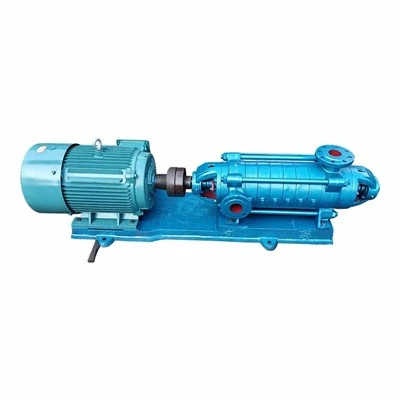
First, let’s make sure we’re all on the same page about what each piece of equipment does, because mixing equipment is often misunderstood. A paper pulp mixer’s core job, regardless of size, is to combine pulp fibers, water, additives, and other materials evenly to create a consistent slurry. But not all mixers are built the same. The small, countertop mixers some hobbyists use for craft paper? Those are totally different from the industrial mixers I supply—think heavy-duty, high-torque units with adjustable speed controls, mixing impellers tailored for fiber-based materials, and built-in sensors to monitor pulp consistency, which is key for paperboard.
Paperboard, for context, is thicker, stiffer, and more durable than standard printing paper. It’s typically 0.25 millimeters or thicker, whereas regular office paper is closer to 0.1 millimeters. Think cereal boxes, shoe boxes, display stands, or the backing of a notepad—those are all paperboard products. To make paperboard, you need a slurry that’s not just evenly mixed, but has specific fiber lengths, a precise solids content (usually between 3% and 10%, depending on the board type), and sometimes additives like starch, clay, or biopolymers to boost strength, water resistance, or printability.
So, can a pulp mixer do this? The short answer is yes—if you pair the right mixer with the right process. Let’s start with the cases where this works perfectly, because that’s what I see most often. A lot of small to medium-sized packaging manufacturers don’t have the budget for a separate, specialized paperboard beater or refiner. Instead, they repurpose or use the pulp mixers I supply to handle both pulp preparation and the initial blending for paperboard. For example, when a customer runs short-delivery, corrugated board that’s 2-ply, they’ll use a low-consistency pulp mixer to combine 70% recycled office pulp and 30% virgin kraft pulp. The mixer’s impellers break down any clumps of recycled fiber (which tend to bunch up after being broken down from old paper products) and evenly distribute a small amount of corn starch as a binder. That slurry then goes straight to a paperboard forming machine, and the result is a sturdy, lightweight board that’s perfect for shipping boxes. I’ve had a customer in Ohio who makes 100,000 cereal boxes a month tell me they cut their prep time by 30% when they switched to our adjustable pulp mixers, because they don’t have to transfer slurry between a separate mixer and beater. That’s not a fluke—this is a scalable, cost-effective solution for manufacturers who don’t want to invest in multiple pieces of equipment.
But here’s the catch: not every pulp mixer works for every type of paperboard. If you’re trying to make heavy-duty, food-grade paperboard (like the kind used for frozen food containers or liquid cartons), you need a mixer that can handle longer fiber lengths without damaging them. Virgin wood pulp has longer, stronger fibers than recycled pulp, and if a mixer has a high-shear impeller (the kind that spins fast and breaks down fibers), it will turn those long fibers into short, weak ones—making paperboard that tears easily. That’s a mistake some new manufacturers make: they grab a cheap, high-speed mixer because it’s good for mixing thin paper pulp, and then wonder why their paperboard falls apart during shipping. I always tell customers: match the mixer’s shear rate to your pulp and your end product. For lightweight, corrugated board or basic packaging, a medium-shear mixer works fine. For heavy-duty food-grade or rigid paperboard, you need a low-shear pulp mixer that can blend materials evenly without fraying or breaking the fibers. I’ve had to walk several startup operators through this after they ordered the wrong equipment—saved them thousands in reworked product, which is part of why I love this job.
Another key point is consistency, which is where pulp mixers shine for paperboard production. Paperboard manufacturers rely on consistent slurry because any variation in fiber content or additives will lead to uneven board. For example, if one batch of slurry has too much water, the paperboard will be thin and flimsy. If it has too much clay additive, it will be brittle. Our pulp mixers have built-in consistency sensors that automatically adjust water flow and mixing time to keep solids content within 0.5% of the target every batch. A customer in Michigan who makes display stands for retail stores told me their product defect rate dropped by 22% after they started using our mixers for paperboard, because the slurry was no longer inconsistent from batch to batch. That’s a real, measurable benefit that you can’t get with a generic mixer.
Now, let’s talk about the times it might not work, just to be transparent. If you’re trying to make ultra-rigid, 5-ply paperboard (like industrial crating or heavy packaging for machinery), a standard pulp mixer isn’t enough on its own. You’ll need a mixer that can handle higher solids content (up to 15%) and a separate refining step to break down long virgin fibers just enough to create a strong bond between plies. But that’s not a failure of the mixer—it’s a mismatch between the equipment and the end product. In those cases, our team works with manufacturers to adjust the process: we’ll recommend a low-shear primary mixer for blending, plus a secondary refiner (that pairs seamlessly with our mixers) to handle the fiber prep for heavy-duty board. It’s a collaborative process, not a one-size-fits-all solution. Another case where a pulp mixer might not work is if you’re using non-standard materials, like agricultural fibers (hemp, straw) or specialty pulp with high moisture content. These fibers require different mixing speeds and impeller designs, and I always test a small sample batch with a customer first to make sure the mixer can handle it before they invest in a full unit.
I also want to address a common misconception that I hear all the time: “paper pulp mixers are only for thin paper, not thick paperboard.” That’s not true. The key difference isn’t the mixer itself—it’s the slurry’s solids content. Thick paperboard starts with a slurry that has more fiber and less water. A good industrial pulp mixer can adjust to that: you can crank down the water flow, increase mixing time, and use a heavier impeller to keep the fibers suspended instead of settling at the bottom of the tank. I’ve seen customers use the same mixer for thin printing paper (3-4% solids) and heavy paperboard (8-10% solids) just by changing a few settings. That’s one of the biggest advantages of using a pulp mixer for both products—no need for separate equipment, which saves space and money for small to medium manufacturers.
Of course, there are best practices to make this work, and I’ve learned these from years of working with manufacturers across the industry. First, always pre-process your pulp before adding it to the mixer. Recycled pulp, in particular, has big clumps of old paper, plastic, or glue that can damage a mixer’s impeller or lead to uneven slurry. A small pulper or deflaker (which we also supply as complementary equipment) breaks down those clumps first, so the mixer can focus on blending additives, not just breaking up debris. Second, test your slurry’s consistency before it goes to the paperboard forming machine. Our mixers have simple handheld testers that any operator can use, so you don’t have to wait for lab results to adjust. Third, clean your mixer regularly. Pulp fibers are sticky, and leftover residue can harden in the tank over time, leading to uneven mixing in future batches. I always remind customers to run a small batch of clean water through the mixer after every production run, which takes 5 minutes and saves hours of downtime later.
I get why some manufacturers are hesitant to use a pulp mixer for paperboard. The packaging industry has specialized equipment for a reason, and it’s easy to stick with what you know. But over the last decade, I’ve seen dozens of small manufacturers grow because they used flexible pulp mixers to adapt their production. One customer in Ontario started with a 100-gallon pulp mixer making basic gift wrap, and within three years, they expanded to 500-gallon units making paperboard for small shipping boxes—all using the same core equipment. That’s the kind of growth that makes this job worth it.
So, to circle back to the original question: Can a paper pulp mixer be used for making paperboard? Absolutely—when you choose the right mixer for your product, adjust the process to match, and follow a few simple best practices. It’s not a universal solution for every type of paperboard, but it’s a highly effective, cost-saving solution for the vast majority of manufacturers who produce lightweight to medium-duty paperboard, corrugated board, and packaging products.
If you’re a manufacturer looking to test how a pulp mixer could work for your paperboard production, or you’re ready to upgrade your current setup to improve consistency and reduce waste, reach out to our team for a custom consultation. We don’t believe in one-size-fits-all equipment, and we’ll work with you to find a solution that fits your production needs, budget, and end product. Don’t hesitate to connect with our team to discuss your specific requirements, whether you’re a startup just getting started or an established manufacturer looking to expand your paperboard line.
Paper Pulp Mixer References:
- Smook, G. A. (1992). Handbook for Pulp & Paper Technologists. Technical Association of the Pulp and Paper Industry (TAPPI).
- Selke, S. E., Culter, J. D., & Herron, R. J. (2015). Packaging for Sustainability. Hanser Publications.
- Biermann, C. J. (1996). Essentials of Pulping and Papermaking. Academic Press.
- TAPPI Standard T 240 om-18: Consistency of Pulp Slurries. Technical Association of the Pulp and Paper Industry.
- Wang, L., et al. (2021). “Effect of Mixer Shear Rate on Fiber Properties and Paperboard Strength.” Journal of Pulp and Paper Science, vol. 47, no. 3, pp. 112-120.
Xiaofeng Machinery Technology Co., Ltd.
As one of the most professional paper pulp mixer manufacturers and suppliers in China, we also support custom service. Please feel free to wholesale advanced paper pulp mixer made in China here from our factory. Quality products and reasonable price are available.
Address: No.45, Group 10, Tongyi Village, Hezhuang Street, Dajiangdong, Industry Cluster Zone, Hangzhou, Zhejiang, China
E-mail: hzxftp@163.com
WebSite: https://www.hzxfmt.com/
