As a supplier of stage mechanical equipment, I’ve witnessed firsthand the critical role that precision plays in the world of stage production. Precision requirements for stage mechanical equipment are not just about achieving a high – level of accuracy; they are about ensuring the safety, functionality, and aesthetic appeal of every performance. In this blog, I’ll delve into the various precision requirements that are essential for stage mechanical equipment. Stage Mechanical Equipment
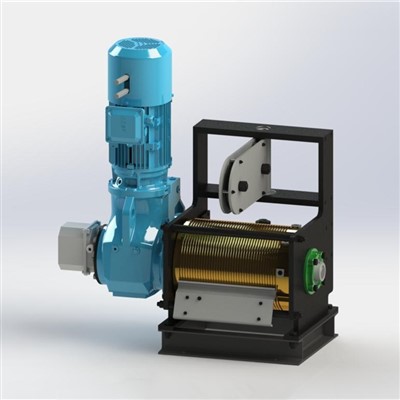
1. Structural Precision
The structural integrity of stage mechanical equipment is the foundation upon which all other functions are built. When it comes to the frame and support structures of equipment such as stage lifts, trusses, and hoists, precision in manufacturing is non – negotiable.
Material Selection and Cutting
The choice of materials for stage mechanical equipment is crucial. High – strength steel, aluminum alloys, and composite materials are commonly used. For example, when fabricating trusses, the material must be cut with extreme precision. The cutting tolerance should be within a few millimeters. A deviation in the cutting process can lead to misaligned joints, which not only weakens the structure but also poses a significant safety risk during operation.
Assembly Precision
During the assembly of stage mechanical equipment, every component must fit together perfectly. Bolts, nuts, and welds need to be tightened and applied with the correct torque. For instance, in a large – scale stage lift, the assembly of the platform, hydraulic cylinders, and guide rails must be carried out with a high degree of precision. Any misalignment in the guide rails can cause the lift to operate unevenly, leading to potential jams or even collapses. The alignment tolerance for guide rails is typically within ±0.5mm per meter of length.
2. Motion Precision
Motion precision is another key aspect of stage mechanical equipment. Whether it’s a smooth vertical lift, a horizontal traverse, or a rotational movement, the equipment must perform with accuracy and repeatability.
Speed and Acceleration Control
In stage productions, the speed and acceleration of mechanical equipment need to be precisely controlled. For example, a flying rig that moves an actor across the stage must do so at a consistent and appropriate speed. The speed variation should be kept within a very narrow range, usually less than ±5% of the set speed. This ensures that the movement appears natural and does not disrupt the flow of the performance.
Positioning Accuracy
Positioning accuracy is vital for stage mechanical equipment. When a stage lift stops at a certain height or a scenery piece is moved to a specific location, it must be within a tight tolerance. For a stage lift, the positioning accuracy is often required to be within ±10mm. This level of precision is necessary to ensure that the stage setup is consistent from one performance to another and that the performers can interact with the equipment safely and effectively.
3. Electrical and Control System Precision
The electrical and control systems of stage mechanical equipment are responsible for coordinating the movement and operation of the machinery. Precision in these systems is essential for reliable and safe performance.
Sensor Accuracy
Sensors play a crucial role in stage mechanical equipment. They are used to detect the position, speed, and load of the equipment. For example, limit switches are used to prevent over – travel of stage lifts and hoists. The accuracy of these sensors is critical. A faulty sensor can lead to incorrect readings, which may result in the equipment operating beyond its safe limits. The sensing accuracy of limit switches should be within ±1mm.
Control Algorithm Precision
The control algorithms used in stage mechanical equipment must be precise. These algorithms are responsible for calculating the speed, acceleration, and positioning of the equipment based on the input from sensors. A well – designed control algorithm can ensure smooth and accurate movement of the equipment. For example, in a computer – controlled lighting rig, the control algorithm must be able to adjust the position and intensity of the lights with high precision to create the desired lighting effects.
4. Aesthetic Precision
In addition to functional precision, aesthetic precision is also important for stage mechanical equipment. The appearance of the equipment can have a significant impact on the overall visual experience of the performance.
Surface Finish
The surface finish of stage mechanical equipment should be smooth and free of defects. For example, the surface of a stage platform should be flat and polished to provide a clean and professional look. Any scratches or unevenness on the surface can be distracting to the audience. The surface roughness of a stage platform is typically required to be within Ra 3.2 – 6.3μm.
Color and Design Consistency
The color and design of stage mechanical equipment should be consistent with the overall theme of the performance. When multiple pieces of equipment are used on the stage, they should match in terms of color and style. For example, all the trusses and lighting rigs used in a concert should have a unified color scheme to create a cohesive visual effect.
5. Safety – related Precision
Safety is the top priority in stage production, and precision in safety – related aspects of stage mechanical equipment is of utmost importance.
Load – bearing Capacity Precision
The load – bearing capacity of stage mechanical equipment must be accurately calculated and tested. For example, a hoist used to lift heavy scenery or performers must be able to handle the specified load with a sufficient safety margin. The load – bearing capacity should be determined with a precision of at least ±5%. This ensures that the equipment can operate safely under normal and abnormal conditions.
Emergency Stop and Safety Interlock Precision
Emergency stop buttons and safety interlocks are critical safety features of stage mechanical equipment. They must be designed and installed with high precision. The response time of an emergency stop button should be within milliseconds to ensure that the equipment can be stopped immediately in case of an emergency. Safety interlocks should be reliable and prevent the equipment from operating when certain safety conditions are not met.
Conclusion
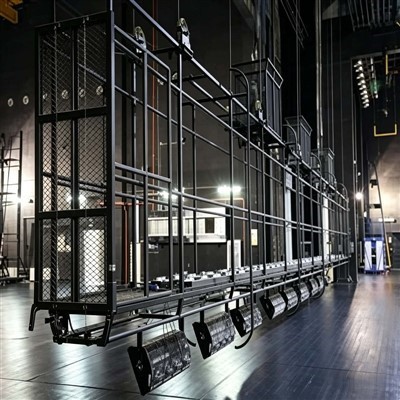
In conclusion, the precision requirements for stage mechanical equipment are multi – faceted and cover structural, motion, electrical, aesthetic, and safety – related aspects. As a supplier of stage mechanical equipment, we are committed to meeting these precision requirements to provide our customers with high – quality, reliable, and safe products.
Stage Mechanical Equipment If you are in the market for stage mechanical equipment and are looking for a supplier who understands the importance of precision, we would be delighted to have a conversation with you. We can offer customized solutions to meet your specific needs and ensure that your stage production runs smoothly and safely. Contact us to start a procurement discussion and take your stage production to the next level.
References
- "Stage Machinery Handbook" by the Entertainment Services and Technology Association (ESTA)
- "Safety Standards for Theatrical Rigging" published by the American National Standards Institute (ANSI)
- Technical papers on stage mechanical equipment design and manufacturing from industry conferences and journals.
JIANGSU HONGBO STAGE EQUIPMENT SCIENCE AND TECHNOLOGY CO., LTD.
As one of the most professional stage mechanical equipment manufacturers and suppliers in China, we’re featured by quality products and good price. Please rest assured to wholesale bulk advanced stage mechanical equipment for sale here and get quotation from our factory. Customized orders are welcome.
Address: Dasi Industrial Park, Gaogang District, Taizhou City, Jiangsu Province
E-mail: hongbowutai@gmail.com
WebSite: https://www.hbstageequipment.com/
