Hey there! I’m in the high-purity alumina (HPA) business, and I’m stoked to share some cool stuff about its physical properties. High-purity alumina is super important in a bunch of industries, and knowing its physical traits can help you understand why it’s such a big deal. High-purity Alumina
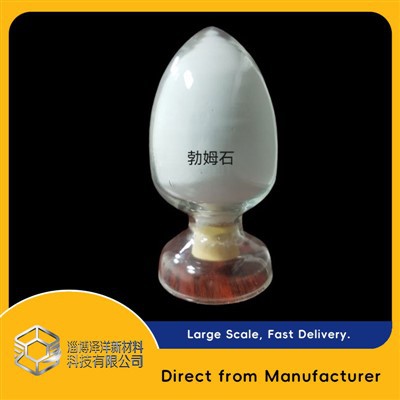
Let’s start with its appearance. High-purity alumina usually comes as a white powder. It looks kind of like a fine, fluffy snow. That white color is a result of its high purity, since impurities can often change the color of the material. This pure white powder is really consistent in its appearance, which is great for applications where a uniform look is needed, like in some types of cosmetics or ceramics.
One of the most notable physical properties of HPA is its high melting point. This stuff can withstand some serious heat! High-purity alumina has a melting point of around 2072 degrees Celsius. That’s insanely hot! This high melting point makes it perfect for applications in high-temperature environments. For example, in the manufacturing of refractories, which are materials used to line furnaces and kilns. These refractories need to be able to handle the intense heat without melting or deforming, and HPA fits the bill perfectly.
Another key property is its hardness. High-purity alumina is really hard. On the Mohs scale, which measures the hardness of minerals, it ranks around 9. The top of the scale is 10, which is diamond. That means HPA is one of the hardest materials out there, second only to a few super-tough minerals. This hardness makes it ideal for use in abrasives. Abrasives are used to grind, polish, or cut other materials. When you need to smooth out a rough metal surface or sharpen a tool, an abrasive made with high-purity alumina can do the job really well.
High-purity alumina also has excellent electrical insulation properties. In other words, it doesn’t conduct electricity very well. This is a huge plus in the electronics industry. In things like circuit boards and insulators, you don’t want electricity to leak or interfere with other components. HPA helps to keep the electrical current where it’s supposed to be, making electronic devices more reliable and safe.
When it comes to its density, high-purity alumina has a density of about 3.9 – 4.0 g/cm³. This puts it in the category of relatively dense materials. The density is important because it affects how the material behaves in different applications. For example, in the automotive industry, parts made from HPA need to have the right density to be both strong and lightweight. It’s a bit of a balancing act, but the density of HPA allows for this.
The crystal structure of high-purity alumina is also worth mentioning. It typically has a hexagonal crystal structure, which gives it some unique mechanical and thermal properties. This structure makes the material more stable and resistant to certain types of stress. For instance, in aerospace applications, where parts are exposed to extreme temperatures and pressures, the hexagonal crystal structure of HPA helps the parts maintain their integrity and performance.
Now, let’s talk about its solubility. High-purity alumina is generally insoluble in water. This is a good thing in many applications. For example, in water treatment, if you’re using HPA-based filters or components, you don’t want them to dissolve in the water. It also means that HPA can be used in wet environments without breaking down easily.
In the optical field, high-purity alumina has some special characteristics. It has good transparency in the ultraviolet and visible light ranges. This makes it useful for making lenses, windows, and other optical components. Whether it’s in high-tech cameras or scientific instruments, the optical properties of HPA help to produce clear and accurate images.
High-purity alumina also has a low coefficient of thermal expansion. What does that mean? Well, it means that when the temperature changes, the material doesn’t expand or contract very much. This is really important in precision manufacturing, like in the production of semiconductor wafers. If the material expands or contracts too much with temperature changes, it can cause problems with the manufacturing process and the performance of the final product. The low coefficient of thermal expansion of HPA helps to ensure that the dimensions of the components remain stable.
As a high-purity alumina supplier, I know that these physical properties are what make our product so versatile and in demand. Whether it’s in the tech industry, the automotive sector, or the medical field, high-purity alumina has a lot to offer.
If you’re in an industry that could benefit from high-purity alumina, I’d love to have a chat with you. We can talk about your specific needs and how our high-quality HPA can meet them. Whether you’re looking for a material with a high melting point for high-temperature applications or a hard and abrasive-resistant substance, our product has you covered.

Don’t hesitate to reach out if you’re interested in learning more or want to start a discussion about purchasing high-purity alumina. I’m here to help you find the best solution for your business.
Other Fused Alumina-Based Materials References
- Smith, J. The Handbook of Material Properties. 2020.
- Johnson, A. High-Purity Alumina: Applications and Characteristics. 2019.
Shandong Leipu New Material Technology Co., Ltd.
With abundant experience, we are one of the most professional high-purity alumina manufacturers and suppliers in China. Please feel free to buy high quality high-purity alumina for sale here and get quotation from our factory. For price consultation, contact us.
Address: Advanced Ceramic Industry Innovation Park, No. 125, Liuquan Road, High-tech Zone, Zibo City, Shandong Province
E-mail: 2330389088@qq.com
WebSite: https://www.sdleipu.com/
