As a valve supplier with over 12 years in the industry, I’ve lost count of how many times I’ve heard plant managers or maintenance leads say, “Our valves worked fine for a year, then suddenly leaked.” More often than not, the culprit isn’t bad manufacturing—it’s corrosion. Valves are workhorses in industrial processes, handling everything from water and oil to harsh chemicals and steam. Left unaddressed, corrosion doesn’t just shorten a valve’s lifespan; it causes unplanned shutdowns, safety hazards, and unexpected repair costs. I’ve seen a chemical plant lose $200,000 in a single day when a corroded check valve failed, spilling toxic material and halting production. That’s why I’ve spent years researching, testing, and advising clients on practical, science-backed ways to prevent valve corrosion. Let’s break down what actually works, no fluff, no overcomplicated jargon—just what I’ve learned on the job. Valves
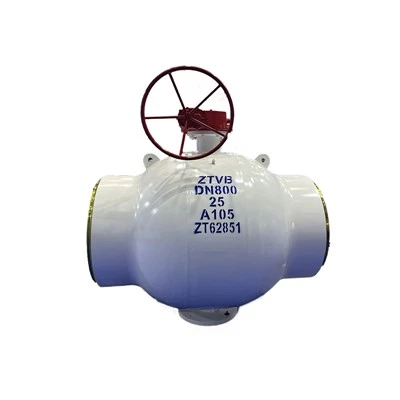
First, you need to understand that corrosion isn’t a one-size-fits-all problem. Valves corrode for different reasons depending on the environment they’re in, the materials they’re made of, and how they’re operated. The most common types I encounter are uniform corrosion, pitting corrosion, crevice corrosion, and galvanic corrosion. Uniform corrosion is the most straightforward—your valve’s surface eats away evenly, like a rusted pipe left outside. Pitting is trickier: it creates tiny, deep holes that are easy to miss until the valve starts leaking. Crevice corrosion happens in tight gaps, like between a valve’s body and flange, where stagnant water or chemicals get trapped. Galvanic corrosion is what occurs when two different metals touch each other in a conductive environment—think a steel valve bolted to a copper pipe. To stop corrosion, you have to target the specific type affecting your equipment.
Let’s start with the foundation: choosing the right valve material. This isn’t just about picking the most expensive stainless steel—it’s about matching the material to your process fluid and environment. For example, if you’re handling freshwater or mild chemicals, 316 stainless steel is a solid choice. It has chromium and molybdenum that form a passive oxide layer that repels corrosion. But here’s a mistake I see all the time: using 316 for a process with high chloride content, like seawater. Chlorides break down that passive layer, leading to pitting corrosion. In those cases, you need duplex stainless steel—it’s a mix of austenitic and ferritic stainless steels, with higher chromium and molybdenum levels, making it far more resistant to chloride-induced corrosion. For even harsher environments, like sour oil and gas with hydrogen sulfide, I recommend alloys like Hastelloy or Inconel. These nickel-based alloys can withstand extreme chemical exposure that would destroy standard steels. I once supplied a set of Inconel ball valves to an offshore rig that had been struggling with corrosion on 316 valves within 18 months. Three years later, those Inconel valves were still running without any corrosion issues. That’s the difference when materials are matched correctly.
Next, proper surface preparation and coating. Even the best material can corrode if its surface isn’t treated right, especially for valves made of carbon steel, which is cheaper but more prone to rust. When we manufacture carbon steel valves, we always do a blast cleaning to remove mill scale, rust, and contaminants before applying a coating. The coating acts as a barrier between the valve and the corrosive environment. For low-pressure applications, epoxy coatings work well—they’re durable, affordable, and resistant to most mild chemicals. For high-pressure or high-temperature environments, like steam valves, we use powder coating or fused metal coatings. Powder coating is electrostatically applied and cured, creating a thick, even layer that doesn’t chip easily. Fused metal coatings, like stellite, are applied via welding or thermal spraying and are ideal for valves that handle abrasive or corrosive fluids. A word of caution: coatings only work if there are no defects. Even a small scratch in a coating can become a starting point for corrosion. That’s why we always do a pinhole test after coating to catch any gaps before the valve leaves our facility. I once skipped this step for a client who had a valve fail in six months because a tiny pinhole in the coating exposed the steel to saltwater. We fixed it by re-coating and adding a manual inspection check, and that valve has been going strong for four years.
Then there’s controlling the environment and process conditions. Corrosion thrives in specific conditions—high temperatures, acidic or alkaline pH levels, and stagnant fluids. You can’t always change your process, but small adjustments can make a big difference. For example, if your process fluid has a high chloride content, adding corrosion inhibitors can help. These chemicals bond to the valve’s surface, forming a protective layer that repels corrosive agents. I recommend working with a corrosion specialist to choose the right inhibitor—too much can cause its own problems, like scaling. For valves in systems where fluids tend to stagnate, like dead legs in piping, make sure to have a regular flushing schedule. Stagnant water or chemicals allow corrosive byproducts to build up right next to the valve. I had a client with a water treatment plant where their gate valves were corroding in the dead legs of their cooling system. After implementing a monthly flushing routine and installing small recirculation lines, corrosion rates dropped by 70%. Another key factor is pH balance. Most metals corrode fastest at extreme pH levels—below 4 (acidic) or above 9 (alkaline). Adjusting your process fluid’s pH to a neutral range (6 to 8) can significantly slow corrosion.
Crevice and galvanic corrosion are two of the most underrated issues, but they’re preventable. Crevice corrosion happens in gaps where fluid can’t circulate, so the solution is to eliminate those gaps whenever possible. For example, when installing a valve between flanges, use full-face gaskets instead of ring gaskets that leave a narrow gap. Full-face gaskets cover the entire flange surface, leaving no place for stagnant fluid to get trapped. Also, make sure your valve’s body and flange are properly aligned—misalignment creates uneven gaps that are perfect for crevice corrosion. Galvanic corrosion is about dissimilar metals. If you have to connect two different metals, you have two options: either use a dielectric union to separate them, or choose metals with similar electrochemical potentials. For example, bolting a steel valve to a copper pipe will cause the steel to corrode quickly because steel is more anodic (electrochemically active) than copper. Adding a dielectric flange between them breaks the electrical circuit that causes galvanic corrosion. I once had a client who replaced their steel valves with bronze valves to stop corrosion, but the new bronze valves were corroding even faster. Turns out, they were bolting the bronze valves to their existing steel piping. The dissimilar metals created a galvanic cell, and the bronze (more cathodic) was causing the steel to corrode, while also leading to pitting in the bronze. We recommended adding dielectric unions between the valves and piping, and the corrosion stopped within three months.
Regular inspection and maintenance are non-negotiable. Even the best-prepared valve will corrode if you don’t catch issues early. I advise clients to follow a schedule that matches their operating environment. For valves in harsh environments (chemical plants, offshore rigs), inspect every 3 to 6 months. For valves in mild environments (municipal water systems), inspect annually. What should you look for? First, visual checks: discoloration, rust, or small holes on the valve body, stem, or flange connections. For valves that are hard to reach, use ultrasonic testing to measure wall thickness—if the wall is thinner than its original specification, corrosion is eating away at it. Also, test for leakage. Even a small leak around the stem or seal can be a sign of corrosion breaking down the internal components. When you do find corrosion, don’t just patch it—assess the cause. If a valve has pitting, it’s likely because of chloride exposure, so you might need to switch materials or add inhibitors in that system. I also recommend keeping a maintenance log for each valve. Track inspection dates, corrosion issues, repairs, and replacements. Over time, you’ll spot patterns—like valves in a specific section of the plant corroding faster, which tells you to address that environment.
Let’s talk about common mistakes I see suppliers and clients make. First, overspecifying materials. It’s tempting to buy the most expensive alloy, but if you don’t need it, you’re wasting money. 316 stainless steel works for most mild industrial applications, and it’s 30% cheaper than duplex. But under-specifying is even worse—using a low-grade material in a harsh environment will lead to frequent failures. Second, skipping surface preparation. Some suppliers cut corners on blast cleaning or coating, which leads to premature corrosion. As a supplier, we never do that, but I know smaller operations that do, and their clients end up paying for it. Third, ignoring installation practices. A valve can be made of the best material, coated perfectly, but if it’s installed with gaps or dissimilar metals without insulation, corrosion will start. Installation should be part of the corrosion prevention plan, not an afterthought.
Another point: internal corrosion. Most people focus on the valve’s outer surface, but internal corrosion is just as dangerous. Valves handle process fluids inside their body, and over time, those fluids can corrode the internals—like the disc, seat, or stem. For example, in oil and gas, produced water often has bacteria that cause microbial-induced corrosion (MIC). MIC happens when bacteria like sulfate-reducing bacteria create corrosive byproducts that eat away at metal. To prevent this, you can add biocides to the process fluid, or use alloys that are resistant to MIC, like duplex stainless steel. I once supplied ball valves to a shale gas producer where their internals were corroding in 12 months. Testing showed high levels of sulfate-reducing bacteria. We switched them to duplex stainless steel internals, added a biocide treatment, and those valves have now lasted three years without internal corrosion.
Let’s wrap this up with a real example that ties everything together. Last year, a food and beverage manufacturer reached out to me because their butterfly valves were failing every 18 months. Their process handled fruit juice, which has high acidity and sugar content. We started by testing the valves: they were made of 304 stainless steel. That’s a problem—304 isn’t resistant to the organic acids in fruit juice. We recommended switching to 316L stainless steel, which has better acid resistance. Next, we checked installation: they were using ring gaskets between the valve and piping, creating crevices where juice would get trapped. We suggested switching to full-face gaskets. We also added a weekly flushing step to their valve maintenance routine to prevent stagnant juice buildup. Since implementing these changes, the same valves have lasted over 28 months, and we’re on track to extend that lifespan even more. That’s the power of combining the right material, proper installation, and regular maintenance—no magic, just science that works.

At the end of the day, preventing valve corrosion isn’t a one-time fix; it’s a holistic approach that involves material selection, surface treatment, process adjustments, and ongoing care. As a valve supplier, my job isn’t just to sell you a valve—it’s to help you make that valve last. If you’re dealing with corroded valves, or you want to ensure your new valves are protected for years to come, reach out to discuss your specific process and environment. We can work together to develop a corrosion prevention plan that fits your needs, no generic solutions, just practical advice from someone who’s been in the field for over a decade.
Butterfly Valve References:
- Roberge, P. R. (2008). Handbook of Corrosion Engineering (2nd ed.). McGraw-Hill.
- Fontana, M. G. (1986). Corrosion Engineering (3rd ed.). McGraw-Hill.
- ASME B16.34-2021. Valves – Flanged, Threaded, and Welded End. American Society of Mechanical Engineers.
- NACE International. (2016). Corrosion Control in Industrial Valves. NACE International Standard.
- Craig, B. D., & Anderson, D. B. (1995). Atmospheric Corrosion of Metals. NACE International.
Yancheng Suhao Valve Industry Co., Ltd.
We are one of the most experienced valves manufacturers and suppliers in China, specialized in providing high quality customized service. Please feel free to wholesale durable valves in stock here from our factory. Also, quotation is available.
Address: No. 33, Huashan Road, Economic Development Zone, Funing County, Jiangsu Province
E-mail: Support@suhao.net
WebSite: https://www.suhaoind.com/
