Hey everyone, let’s cut to the chase—if you’ve ever gotten a blister from new sneakers, a long day of hiking, or even a too-tight work glove, you know how much those little (or not-so-little) suckers can ruin your vibe. I’m on the medical bandages side of things, and one question I get all the time is: “Wait, why does that bandage even work on blisters anyway? It’s just a sticky pad, right?” Spoiler: Nah, it’s way more intentional than that. Let’s break this down like we’re grabbing coffee and geeking out, no boring textbook jargon (well, a little, but we’ll keep it casual). Medical Bandages
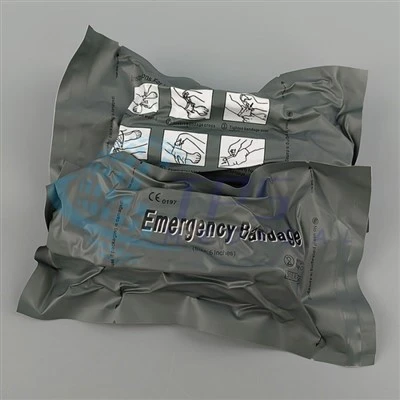
First, let’s start with what a blister actually is, because if you don’t know that, the bandage stuff is just random. When your skin rubs against something—say, the back of your heel and a stiff shoe—your body’s immediate reaction is damage control. The top layer of your skin (the epidermis) and the layer under that (dermis) start to separate, and your body pumps a thin, clear fluid called serum into that gap. That serum is basically a buffer: it cushions the raw, irritated tissue below so it doesn’t get more hurt, and it also prevents bacteria from sneaking into the open wound under there. But here’s the problem: blisters are fragile. If you leave them exposed, two things happen fast: they get raw from more friction, and then dirt, sweat, or germs creep in, which can lead to infection. That’s where medical bandages come in—they’re not just covering the blister, they’re managing all that mess.
Wait, let’s talk about the different bandage types because not all blister bandages are created equal. When I was first getting into the medical bandage game, I thought “one size fits all” too, but nope—there’s a reason we stock specific ones for blisters. Let’s go through the core functions most good medical blister bandages are designed for.
First function: Friction block. This is the big one. Your average adhesive bandage for cuts is thin, but blister-specific ones have a thicker, cushioning layer—usually a foam or gel pad. That pad acts like a middleman between your blister and whatever’s rubbing it: shoes, gloves, whatever. I’ve had customers tell me they tried a regular Band-Aid once and their blister got worse because the sticky side was on the blister itself, causing more friction. That’s the mistake! A good medical bandage for blisters has the adhesive only around the edges of the pad, so the soft, cushy center sits directly over the blister without sticking to the fluid or the raw skin. No more “sticking to the blister when you peel it off” chaos.
Second: Moisture management. Wait, I know what you’re thinking—blisters have fluid, do you add moisture to them? Hear me out. Blister fluid is good, but too much moisture trapped under a regular bandage is bad. Regular bandages can hold sweat and that blister serum, turning the area into a breeding ground for bacteria. So modern medical blister bandages are semi-permeable—they let air and small moisture molecules escape, but not big bacteria. Some even have a hydrocolloid layer inside, which is super cool. Hydrocolloids are those gel-like things that absorb excess blister fluid and turn into a soft, protective gel over the wound. That gel acts like a second skin—it keeps the blister moist (which actually speeds up healing, by the way) and protects it from dirt. I’ve seen people with popped blisters swear by these, because they don’t scab over fast, which means less pain and a lower chance of scarring.
Third: Pain relief. Let’s be real, blisters hurt. The pressure from walking or gripping makes that raw skin under the blister scream. The cushioning layer in a good bandage distributes pressure evenly, instead of all that weight sitting right on the blister. Some of our bandages even have a mild, skin-safe ingredient like aloe or lidocaine (in tiny, FDA-approved amounts) that takes the edge off without irritating the area. No more wincing every time you take a step— that’s a huge win for people who are on their feet for work, or hikers out on a long trail.
Wait, let’s clear up a common myth: should you pop a blister before putting a bandage on? I get this question all the time too. The old “pierce it with a sterile needle” thing is actually only for large, painful blisters—like the size of a quarter on your heel. For small blisters, leaving the fluid in is better because it’s a natural barrier. If you do pop it (which, again, only if it’s really bothering you), you must clean the area first, pat it dry, then put on a medical bandage. The bandage will protect the raw skin so it doesn’t get infected. I’ve had customers who ignored that and ended up with a staph infection—no fun, so we always remind people to follow that rule.
Now, let’s talk about why our medical bandages are different from the drugstore stuff you can grab off the shelf. I’ve been in this industry for a few years, and the biggest mistake a lot of budget brands make is cutting corners on the materials. They use cheap adhesives that can irritate sensitive skin, or thin pads that don’t actually block friction. Our bandages are tested for hypoallergenic adhesives—so even people with super sensitive skin (like diabetics, who have to be extra careful with foot blisters) can use them without redness or irritation. We also make different sizes: small ones for fingers, large ones for heels, even bendable ones for elbows and knees so they don’t peel off when you move.
Let’s throw in a quick real example, just to make it relatable. Last month, a customer reached out to us—she was a teacher who stands 8 hours a day, and she’d gotten a blister on her heel from new dress shoes. She’d tried three different drugstore bandages, and each one fell off by lunch, leaving the blister exposed. She ordered our heel-specific medical bandages, and told us later that they stayed on for 2 full days, no slipping, and her blister healed in 3 days instead of a week. That’s exactly what we’re here for—fixing small, annoying problems that mess with your day-to-day life.
Another thing: medical bandages for blisters aren’t just for feet. A lot of people get blisters on their hands from gardening, painting, or using tools. We have fabric-based ones that stretch with your hand movements, so you don’t have to baby your grip. For runners, we have thin, waterproof ones that don’t get soggy when you sweat, so they don’t slide around mid-run. The point is, blisters happen everywhere, and a one-size-fits-all bandage can’t handle all that.
Wait, let’s get a little more science-y (but still simple) to back this up. The hydrocolloid technology I mentioned earlier—studies show that a moist wound environment reduces healing time by 30-40% compared to dry scabbing. That’s a big number! Because when you let a blister scab over, the skin has to work harder to repair the damage, and scabs can crack, leading to more friction and infection. The hydrocolloid layer in our bandages keeps that area moist, so your skin cells can move and repair faster, no scab required. That’s why you’ll notice that a blister covered with a good bandage feels way less painful, and heals quicker, than one left exposed.
What about the downsides? Let’s be honest, medical bandages aren’t perfect. If you leave a hydrocolloid bandage on too long (like 5+ days), it can get smelly from trapped moisture, and in rare cases, some people might have a mild reaction to the adhesive. That’s why we tell people to change the bandage every 2-3 days, or if it gets dirty or soggy. For most people, though, the pros way outweigh the cons—especially when you compare it to dealing with a blister that gets infected, which can take weeks to clear up.
Now, I know a lot of you are here because you might have a need for bulk bandages—whether you’re a business owner, a coach, a clinic, or just someone who goes through a lot of them (like hikers or construction workers). If that’s you, let’s talk: we make custom medical bandage solutions too, so you can get the right sizes, materials, and quantities for your needs. No more ordering random stuff off Amazon that doesn’t work.
At the end of the day, blisters are a tiny, annoying part of life, but the bandages that treat them shouldn’t be. They’re not just sticky pads—they’re engineered to protect, reduce pain, and speed up healing, so you can get back to whatever you were doing without that nagging blister slowing you down.

If you’re looking for reliable, high-quality medical bandages for blisters, we’re here to help. Whether you need a small pack for personal use, bulk orders for your team, or custom products for your business, we can work with you to find the right fit. Reach out to our team to chat about your needs, no pressure, no weird sales tactics—just straight-up answers to whatever questions you have.
Sports Injury Protection References:
- American Academy of Dermatology. (2022). Blister Care: What to Do and What to Avoid.
- Woo, K., & Sibbald, R. G. (2017). Moist wound healing: an update. Journal of Wound Care, 26(1), 14-24.
- Centers for Disease Control and Prevention. (2021). Preventing and Treating Blisters in Outdoor and Work Settings.
- International Society of Wound Care. (2020). Hydrocolloid Dressings: Clinical Applications and Best Practices.
Hangzhou Tuopusi Medical Products Co., Ltd.
As one of the most professional medical bandages manufacturers and suppliers in China, we offer a wide range of products with superior quality. Please feel free to wholesale bulk customized medical bandages at competitive price from our factory. Also, free sample is available.
Address:
E-mail: sales@tpsmedic.com
WebSite: https://www.medressing.com/
