The shelf-life of products stored in PE (polyethylene) bottles is a crucial aspect that directly impacts product quality, safety, and consumer satisfaction. As a PE bottle supplier, I’ve witnessed firsthand how the right packaging can extend a product’s shelf-life, preserving its integrity and efficacy. In this blog, I’ll delve into the factors that influence the shelf-life of products in PE bottles, share some insights on how to optimize it, and explain why choosing the right PE bottle matters. PE Bottle
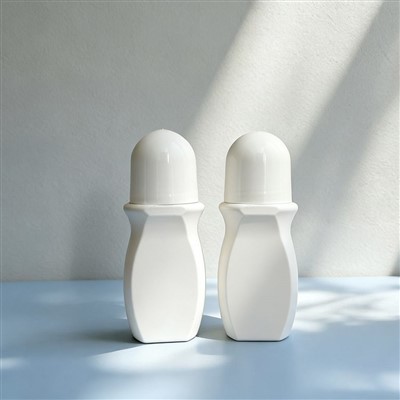
Understanding PE Bottles
PE is a widely used plastic material in the packaging industry due to its excellent properties. It’s lightweight, flexible, and has good chemical resistance, making it suitable for a variety of products. There are two main types of PE used in bottle manufacturing: high-density polyethylene (HDPE) and low-density polyethylene (LDPE).
HDPE is more rigid and offers better barrier properties against moisture and oxygen. It’s commonly used for products that require a longer shelf-life, such as detergents, cleaning products, and some food items. LDPE, on the other hand, is more flexible and has a lower melting point. It’s often used for products like lotions, shampoos, and other personal care items.
Factors Affecting Shelf-Life
Several factors can influence the shelf-life of products stored in PE bottles. Understanding these factors is essential for both manufacturers and consumers to ensure product quality and safety.
1. Product Type
The nature of the product itself plays a significant role in determining its shelf-life. For example, products that are more prone to oxidation, such as oils and fats, may have a shorter shelf-life compared to products that are more stable, like water or certain chemicals. Additionally, products that contain active ingredients or are sensitive to light, heat, or moisture may require special packaging to maintain their efficacy.
2. Oxygen and Moisture Barrier
PE bottles provide a certain level of protection against oxygen and moisture, but the degree of protection can vary depending on the type of PE and the thickness of the bottle. Oxygen can cause oxidation, which can lead to changes in the product’s color, odor, and taste. Moisture can also affect the stability of some products, especially those that are hygroscopic (absorb moisture from the air).
3. Light Exposure
Light can have a detrimental effect on many products, especially those that are photosensitive. PE bottles can provide some protection against light, but certain types of products may require additional measures, such as opaque or tinted bottles, to prevent light-induced degradation.
4. Temperature
Temperature can also impact the shelf-life of products in PE bottles. High temperatures can accelerate chemical reactions and microbial growth, while low temperatures can cause some products to become viscous or even freeze. It’s important to store products in PE bottles at the recommended temperature range to ensure their stability.
5. Microbial Contamination
Microbial contamination can occur during the manufacturing, filling, or storage of products in PE bottles. Proper sanitation and hygiene practices are essential to prevent the growth of bacteria, fungi, and other microorganisms. Additionally, some products may require the use of preservatives to extend their shelf-life and prevent spoilage.
Optimizing Shelf-Life
As a PE bottle supplier, I work closely with manufacturers to help them optimize the shelf-life of their products. Here are some strategies that can be employed to extend the shelf-life of products in PE bottles:
1. Choose the Right PE Material
Selecting the appropriate type of PE material is crucial for ensuring the best protection for your product. HDPE is generally a better choice for products that require a longer shelf-life and better barrier properties, while LDPE may be more suitable for products that require flexibility and a lower cost.
2. Improve Barrier Properties
To enhance the oxygen and moisture barrier of PE bottles, manufacturers can use additives or coatings. For example, adding a layer of ethylene vinyl alcohol (EVOH) can significantly improve the barrier properties of PE bottles, reducing the ingress of oxygen and moisture.
3. Use Opaque or Tinted Bottles
For products that are sensitive to light, using opaque or tinted PE bottles can help prevent light-induced degradation. These bottles can block out harmful UV rays and protect the product’s integrity.
4. Control Temperature and Humidity
Storing products in PE bottles at the recommended temperature and humidity range is essential for maintaining their stability. Manufacturers should ensure that their storage facilities are properly regulated to prevent temperature and humidity fluctuations.
5. Implement Proper Sanitation Practices
To prevent microbial contamination, manufacturers should implement strict sanitation practices throughout the manufacturing and filling process. This includes cleaning and disinfecting equipment, using sterile packaging materials, and maintaining a clean production environment.
Why Choose Our PE Bottles
As a leading PE bottle supplier, we are committed to providing high-quality packaging solutions that meet the specific needs of our customers. Our PE bottles are made from the highest quality materials and are designed to provide excellent protection for a wide range of products.
We offer a variety of PE bottle sizes and shapes to accommodate different product volumes and requirements. Our bottles are also available in different colors and finishes, allowing you to customize your packaging to match your brand identity.
In addition to our standard product offerings, we also provide custom packaging solutions to meet the unique needs of our customers. Our team of experts can work with you to design and develop a packaging solution that is tailored to your specific product and brand.
Conclusion
The shelf-life of products in PE bottles is influenced by a variety of factors, including product type, oxygen and moisture barrier, light exposure, temperature, and microbial contamination. By understanding these factors and implementing the appropriate strategies, manufacturers can extend the shelf-life of their products and ensure their quality and safety.

As a PE bottle supplier, we are dedicated to helping our customers optimize the shelf-life of their products. Our high-quality PE bottles, combined with our expertise and commitment to customer service, make us the ideal partner for your packaging needs.
PET Plastic Bottles If you’re interested in learning more about our PE bottles or would like to discuss your packaging requirements, please don’t hesitate to contact us. We look forward to working with you to find the perfect packaging solution for your products.
References
- ASTM International. (2023). Standard Terminology for Plastics. ASTM D883-23.
- European Food Safety Authority. (2018). Scientific Opinion on the safety of recycled polyethylene terephthalate (PET) intended for use in contact with food. EFSA Journal, 16(10), e05478.
- Packaging Machinery Manufacturers Institute. (2023). Packaging Machinery: A Guide to the Basics.
Taizhou Fuyan Trading Co., Ltd.
As one of the most professional pe bottle manufacturers and suppliers in China, we’re featured by quality products and good service. Please rest assured to wholesale bulk pe bottle in stock here from our factory. Customized orders are welcome.
Address: Lupu Small and Micro Industrial Park, Lupu, Yuhuan City, Zhejiang Province
E-mail: taizhoufuyan@outlook.com
WebSite: https://www.fuyantrading.com/
