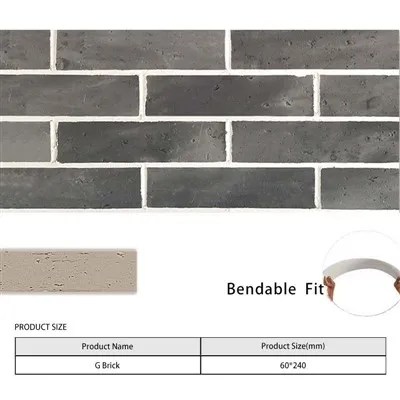
Flexible stone, a remarkable building material, has been gaining increasing popularity in the construction industry due to its numerous advantages. As a supplier of flexible stone, I am often asked about its various properties, and one question that frequently comes up is about its sound insulation property. In this blog, I will delve into the sound insulation characteristics of flexible stone, exploring how it works, its performance, and its significance in different construction applications. Flexible Stone
Understanding Sound Insulation
Before we dive into the sound insulation property of flexible stone, it’s essential to understand the concept of sound insulation. Sound insulation refers to the ability of a material to reduce the transmission of sound from one side of a structure to the other. Sound is a form of energy that travels in waves, and when these waves encounter a material, they can be reflected, absorbed, or transmitted through the material. A good sound – insulating material should minimize the transmission of sound waves.
The effectiveness of sound insulation is typically measured in decibels (dB). The higher the decibel reduction, the better the sound – insulating performance of the material. Factors that affect the sound insulation of a material include its density, thickness, porosity, and structure.
How Flexible Stone Provides Sound Insulation
Flexible stone is a composite material that consists of a natural stone powder and a flexible polymer binder. This unique combination gives it several characteristics that contribute to its sound – insulating properties.
Density and Mass
One of the fundamental principles of sound insulation is the mass law. According to this law, the heavier a material is, the better it can block sound. Flexible stone has a relatively high density due to the presence of natural stone powder. The stone powder adds mass to the material, which helps to impede the movement of sound waves. When sound waves hit the surface of flexible stone, the mass of the material resists the vibration caused by the sound waves, reducing the amount of sound that can pass through.
Porosity
Flexible stone often has a certain degree of porosity. Porous materials are effective at absorbing sound. When sound waves enter the pores of the flexible stone, they cause the air inside the pores to vibrate. This vibration dissipates the energy of the sound waves as heat, reducing the intensity of the sound that is transmitted through the material. The size and distribution of the pores play a crucial role in determining the sound – absorbing efficiency. A well – designed flexible stone with a proper pore structure can significantly enhance its sound – insulating performance.
Structure and Flexibility
The flexible nature of flexible stone also contributes to its sound insulation. The flexible polymer binder in the material allows it to bend and deform slightly when exposed to sound waves. This deformation helps to dissipate the energy of the sound waves, preventing them from passing through the material easily. Additionally, the structure of the flexible stone can be engineered to create multiple layers or a complex internal structure. These structures can reflect and scatter sound waves, further enhancing the sound – insulating effect.
Sound Insulation Performance of Flexible Stone
The sound insulation performance of flexible stone can vary depending on several factors, such as its composition, thickness, and installation method. In general, flexible stone can provide a significant reduction in sound transmission.
Laboratory Tests
Numerous laboratory tests have been conducted to evaluate the sound insulation performance of flexible stone. These tests typically involve measuring the sound transmission loss of a flexible stone sample in a controlled environment. The results show that flexible stone can achieve a sound transmission loss of up to 30 – 40 dB, depending on the specific product and testing conditions.
For example, a 10 – millimeter thick flexible stone panel may have a sound transmission loss of around 25 dB, while a thicker panel of 20 millimeters can reach up to 35 dB. These values indicate that flexible stone can effectively reduce the level of sound passing through, making it suitable for noise – sensitive applications.
Real – World Applications
In real – world applications, the sound insulation performance of flexible stone may be affected by additional factors such as the presence of joints, the quality of installation, and the overall structure of the building. However, even in practical scenarios, flexible stone can still provide a noticeable improvement in sound insulation.
In a residential building, for instance, using flexible stone on the interior walls of a bedroom or a study can significantly reduce the noise from outside traffic, neighbors, or other sources. In a commercial building, such as an office or a hotel, flexible stone can be used to create a more peaceful and comfortable environment by reducing the sound transmission between different rooms or areas.
Significance of Sound Insulation in Construction
Sound insulation is a critical aspect of building design, especially in today’s noisy world. Here are some of the key reasons why the sound insulation property of flexible stone is significant in construction:
Comfort
Good sound insulation enhances the comfort of building occupants. In a home, it allows residents to enjoy a quiet and peaceful living environment, free from the distractions of external noise. In commercial buildings, it creates a more pleasant working or staying environment, which can improve productivity and customer satisfaction.
Privacy
Sound insulation helps to protect the privacy of individuals within a building. In offices, it can prevent the leakage of sensitive information, while in residential buildings, it can ensure that private conversations are not overheard.
Energy Efficiency
In some cases, sound – insulating materials can also contribute to energy efficiency. By reducing the need for mechanical noise – reduction systems, such as soundproofing curtains or additional insulation, flexible stone can help to lower the energy consumption of a building.
Applications of Flexible Stone for Sound Insulation
Flexible stone can be used in a wide range of construction applications to take advantage of its sound insulation property.
Interior Wall Cladding
One of the most common applications of flexible stone is as interior wall cladding. It can be installed on the walls of bedrooms, living rooms, offices, and other interior spaces to reduce sound transmission. The aesthetic appeal of flexible stone also adds a touch of elegance to the interior design.
Ceiling Installation
Flexible stone can also be used on ceilings to improve sound insulation. In large open – plan spaces, such as auditoriums or conference rooms, a flexible stone ceiling can help to absorb and reduce reverberant sound, creating a more acoustically balanced environment.
Partition Walls
For creating partition walls in commercial buildings or multi – room residential units, flexible stone is an excellent choice. It can effectively separate different areas while providing sound insulation, ensuring privacy and comfort for the occupants of each space.
Conclusion
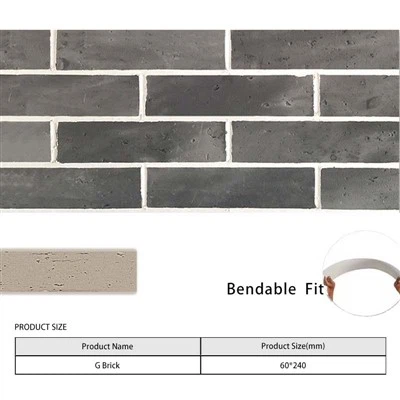
As a supplier of flexible stone, I am proud to offer a material that not only has excellent aesthetic properties but also provides significant sound insulation benefits. The unique combination of density, porosity, and flexibility in flexible stone allows it to effectively reduce the transmission of sound, making it a valuable addition to any construction project.
OEM/ODM Whether you are building a new home, renovating an office, or designing a commercial space, considering flexible stone for its sound insulation property can enhance the comfort, privacy, and overall quality of the building. If you are interested in learning more about our flexible stone products or would like to discuss a potential project, I encourage you to reach out to me. We are always ready to provide you with detailed information and support to help you make the best choice for your construction needs.
References
- ASTM International. (Year). Standard test methods for laboratory measurement of airborne sound transmission loss of building partitions and elements.
- Building Research Establishment. (Year). Report on the sound insulation performance of various building materials.
- Technical manual for flexible stone products. [Manufacturer name].
Jiangsu Baidai Energy-Saving Building Materials Co., Ltd.
As one of the most professional flexible stone manufacturers and suppliers in China for over 20 years, we also support customized service. Please feel free to buy flexible stone made in China here and get free sample from our factory. For price consultation, contact us.
Address: NO.37 Standard Workshop, Hailing Industrial Park, Taizhou City, Jiangsu Province, P.R.China
E-mail: Andy@baidai.cn
WebSite: https://www.bdflexiblestone.com/
