Hey there! I’m a supplier of Residual Current Circuit Breakers (RCCBs). You might be wondering about the lifespan of these things. Well, let’s dig into it. Residual Current Circuit Breaker
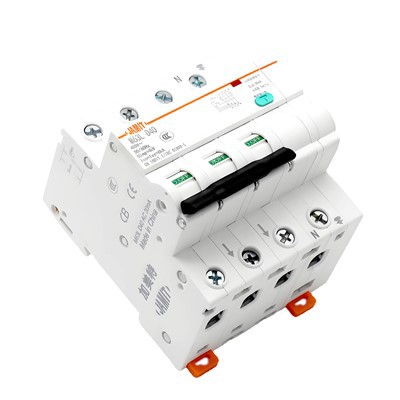
First off, what the heck is a Residual Current Circuit Breaker? In simple terms, it’s a safety device. Its main job is to protect people from electric shocks. It keeps an eye on the electrical current flowing in a circuit. If it senses a difference between the current going in and coming out, which could mean there’s a leakage, it trips and cuts off the power real quick. This can prevent electrocution and fires caused by electrical faults.
So, how long do these RCCBs actually last? Well, it’s not a one – size – fits – all answer. There are a bunch of factors that can affect their lifespan.
One major factor is the quality of the RCCB. When we make these things at our place, we use high – quality materials. We know that if we skimp on materials, the breaker won’t last long. Cheaper materials can break down faster, especially when they’re exposed to electrical currents day in and day out. For example, the contacts inside the RCCB are important. If they’re made of low – quality metal, they can corrode over time. This corrosion can lead to poor electrical connections, which might cause the breaker to malfunction. On the other hand, if we use high – grade, corrosion – resistant materials, the breaker is likely to last longer. Quality also includes the manufacturing process. We have strict quality control measures in place. Every RCCB goes through a series of tests before it leaves our factory. This ensures that it’s in top – notch condition and more likely to have a long lifespan.
The environment where the RCCB is installed also matters a whole lot. If it’s in a clean, dry place, it’ll probably last longer. But if it’s installed in a harsh environment, like a factory where there’s a lot of dust, dirt, and moisture, it can take a toll on the breaker. Moisture can cause rusting of the internal components. Dust can build up on the contacts and insulators, which can affect the electrical performance. In some industrial settings, there might be chemical fumes in the air. These fumes can corrode the metal parts of the RCCB. And if the temperature is extreme, either too hot or too cold, it can also impact the breaker’s lifespan. High temperatures can cause the insulation materials to break down faster, and low temperatures can make the components more brittle.
How often the RCCB is used is another factor. If it’s in a circuit that’s constantly in use, like in a busy office building where there are a lot of electrical appliances running all the time, it’ll experience more wear and tear. Every time the breaker trips, it undergoes some stress. The mechanical parts inside, like the springs and the trip mechanism, are put to work. Over time, these parts can wear out. On the other hand, if it’s in a circuit that’s rarely used, like in a storage room where there are only a few lights, it’ll have less stress and might last longer.
Now, on average, a well – made RCCB can last anywhere from 10 to 20 years. But this is just a ballpark figure. Some might last longer, and some might not make it to the 10 – year mark.
How can you tell if your RCCB is getting old or needs to be replaced? One way is to do regular tests. Most RCCBs have a test button on them. You’re supposed to press this button every month or so. If the breaker doesn’t trip when you press the test button, it could be a sign that something’s wrong. Another sign is if it trips frequently for no obvious reason. This could mean that the internal components are starting to fail. You might also notice a burning smell or see signs of damage on the breaker, like scorch marks. These are all red flags that it’s time to think about getting a new one.
As a supplier, we understand the importance of a long – lasting RCCB. That’s why we’re constantly working on improving our products. We invest in research and development to come up with better designs and use even higher – quality materials. We also offer customer support. If you have any questions about the lifespan of our RCCBs or how to take care of them, our team is always ready to help.
When it comes to choosing an RCCB, you want to go with a reliable supplier. You don’t want to end up with a breaker that’ll conk out after a few years. We’ve been in the business for a while, and we’ve built a good reputation. Our customers trust us because they know our products are of high quality and will last.

So, if you’re in the market for Residual Current Circuit Breakers, whether it’s for a small home electrical system or a large industrial project, we’ve got you covered. We can offer you a wide range of RCCBs with different ratings and features to suit your needs. Don’t hesitate to reach out and start a conversation with us about your requirements. Whether it’s about the lifespan, the price, or the technical specifications, we’re here to discuss it all. Let’s talk about how we can provide you with the best RCCBs for your electrical setup.
Miniature Circuit Breaker References:
- Electrical Safety Standards Publications
- Industry Reports on Residual Current Circuit Breakers
- Technical Manuals of Residual Current Circuit Breaker Components
Tianjin JMT Electric Co., Ltd.
Tianjin JMT Electric Co., Ltd. is one of the most reliable residual current circuit breaker manufacturers and suppliers in China, also supports customized service. Please feel free to buy advanced residual current circuit breaker made in China here from our factory.
Address: East Side of Road No. 6, Jinghai Economic Development Zone, Tianjin
E-mail: wangbing@tj-jamit.com
WebSite: https://www.jamit-electric.com/
