If you’ve ever been around a power plant or a steam turbine facility, you’ve probably heard that quiet hum that feels like it’s holding the whole operation together—most people focus on the big, flashy parts like the turbine rotor or the generator, but let me tell you something: the seals? They’re the unsung heroes that keep that hum steady, and upgrading to advanced steam turbine seals isn’t just a nice-to-have—it’s a game-changer for anyone relying on those units. I’ve spent the last 12 years working with steam turbine seals, first as a tech troubleshooting field issues, then now leading our team of seal engineers. I’ve seen firsthand how cutting-edge seals turn a turbine that’s losing money hand over fist into one that runs like a well-oiled (pun very intended) machine. Let’s break down the real, on-the-ground advantages you get when you swap out old, worn seals for the advanced stuff—no jargon, just the stuff that matters to your bottom line and your uptime. Steam Turbine Seals

First off, let’s talk about the biggest pain point with aging seals: steam leakage. Old-style seals—usually those carbon rings or basic labyrinth types—leak a ridiculous amount of steam, and it’s not just the obvious stuff you can see. Most leakage is through the small gaps between the turbine’s stationary casings and the spinning rotor, right? For context, a 50MW steam turbine with worn out, outdated seals can leak as much as 2-3 tons of steam per hour. Multiply that over a year? That’s like flushing $1.2 to $1.8 million straight down the drain, if you’re running at full capacity. Advanced seals—like the ones we design at our facility, using brush seal technology or our proprietary flexible lamella seals—cut that leakage by 70-90% in most cases. How? Instead of the rigid, fixed gaps that old seals leave, these advanced seals conform slightly to the rotor’s surface (even when it’s warped a tiny bit or vibrating, which happens all the time in real operation) while still creating a tight, controlled barrier. I was on a site last year where a coal plant in Ohio upgraded their seals; their maintenance manager told me they saw a 1.8% jump in overall plant efficiency in the first three months. That’s not a numbers game—that’s enough extra revenue to cover the cost of the seal upgrade in like 8 months, easy. And efficiency isn’t just about fuel savings; when you’re generating more power from the same amount of steam, you can meet demand without cranking up the boilers as hard, which also cuts down on emissions. That’s a double win for operators who have to hit regulatory targets, too—something a lot of my clients don’t talk about until they get a compliance fine.
Next up, uptime. Let’s be real—when a steam turbine goes down, it’s not just a quick fix. A scheduled outage for seal replacement with old seals? That usually takes 3-5 days, because old seals wear out fast, so you’re basically tearing the whole unit apart just to yank out the worn carbon rings and hammer in new ones. Advanced seals, though, are built to last. Our brush seals, for example, are made with high-temperature, corrosion-resistant materials—think Inconel and ceramic composites—that can handle the extreme heat and pressure inside a turbine for 6-8 years without needing replacement, compared to 2-3 years for old seals. But here’s the even bigger uptime win: reduced unplanned downtime. Worn old seals cause more than just leakage—they let steam leak into places it shouldn’t, like the bearing chambers. That leads to lubrication contamination, which can wreck the turbine’s bearings, forcing an unplanned outage that can take a week or more and cost tens of thousands of dollars a day in lost generation, not to mention repair costs. Last year, I worked with a combined cycle plant in Texas that had a catastrophic bearing failure because of bad seal leakage; it cost them $2.2 million in lost revenue and repairs. After they upgraded to our advanced seals, they haven’t had a bearing issue related to seals in two years. Advanced seals also cut down on rotor vibration, because they maintain a consistent gap around the spinning rotor—old seals can rub unevenly, throwing the rotor off balance, which adds more wear to every part of the turbine. Less vibration means less stress on the whole system, so parts like the blades, casings, and bearings last longer.
Wait, let’s not forget about operational flexibility. A lot of turbines these days aren’t running at constant full load anymore—especially with the rise of renewables, so fossil and combined cycle plants are ramping up and down more often to back up wind and solar. Old seals don’t handle that load variation well. When a turbine ramps down, the rotor temperature drops, so it contracts; old seals are rigid, so they rub against the rotor as it shrinks, causing wear and even damage. When it ramps back up, the rotor expands, and the seals don’t conform, leading to more leakage. Advanced seals, especially our flexible lamella and brush designs, are built to adjust to those temperature changes and rotor movements. I had a client in the Pacific Northwest that runs a hydro-reheat turbine for grid support—they ramp up and down 50 times a day, which would have worn out their old carbon seals in 18 months. With our advanced seals, they’re at 30 months now, with no sign of degradation, and their leakage rate stayed consistent even through all those load swings. That operational flexibility is huge right now, because if your turbine can’t follow grid demand, you get paid less, or you might even get penalized for failing to meet supply targets. Old seals limit that flexibility, but advanced ones let you adapt to the modern grid without extra costs.
Another thing that people overlook is maintenance labor costs. When you’re spending 3-5 days pulling a turbine apart to replace old seals, that’s a crew of 4-5 techs working overtime, plus crane time, plus specialized tools. A seal upgrade with advanced seals? It can often be done during a standard scheduled outage, or even as a side job if the turbine is already partially disassembled for other work. And because advanced seals last longer, you’re not doing seal replacements every 2-3 years—you’re doing them every 6-8 years, so you cut down on that labor time by like 60% over a decade. Last quarter, we helped a refinery in the Gulf Coast with their process steam turbine; they told us that their annual seal-related maintenance cost dropped by $120k after switching to our advanced seals. That’s money they can put toward other projects, not just tearing apart turbines.
Let’s talk about durability in harsh conditions, too. A lot of turbines run in environments that are super tough: coastal plants with salt air, industrial plants with high moisture or particulate in the steam, units that run at supercritical pressures and temperatures. Old carbon seals can corrode, get clogged with debris, or break down in high-heat environments. Our advanced seals use corrosion-resistant materials and have a design that keeps contaminants out of the sealing interface, so they hold up way better. I’ve got a client in Florida who runs a power plant 2 miles from the coast—salt air is a constant issue, and their old seals would corrode in 18 months. With our titanium-alloy lamella seals, they’re at 27 months now, and when we did an inspection last month, there was zero corrosion on the seal components. That kind of resistance to harsh environments is a big deal for anyone in a location that’s not perfect.
Wait, is there any downside here? Let’s be real—advanced seals do have a higher upfront cost. But if you do the math, the ROI is unbeatable. Let’s say a seal upgrade costs $200k for a 50MW turbine. As I mentioned earlier, that turbine saves you ~$1.5 million a year in fuel from reduced leakage, plus cuts maintenance labor and downtime costs by another $100k. That’s a payback period of like 5 months. I’ve never worked with a client where the ROI took more than 12 months, even for the largest turbines. The upfront cost might make you pause, but when you factor in all the hidden costs of old seals—lost revenue from leakage, unplanned downtime, compliance fines, more frequent parts replacement—it’s a no-brainer.
I’ve spent 12 years in this game, and I’ve talked to hundreds of plant managers and turbine operators, and the number one mistake I see is waiting until seals are completely worn out to replace them. By that point, you’re already losing money on leakage, dealing with downtime, and risking major component damage. Swapping in advanced seals proactively doesn’t just fix those existing issues—it future-proofs your turbine for the next 6-8 years, especially as grids get more variable and emission regulations get tighter. We’ve seen clients go from struggling to hit efficiency targets to exceeding them, from dealing with monthly maintenance calls to almost no seal-related issues, from stressing over turbine uptime to having reliable, consistent generation.
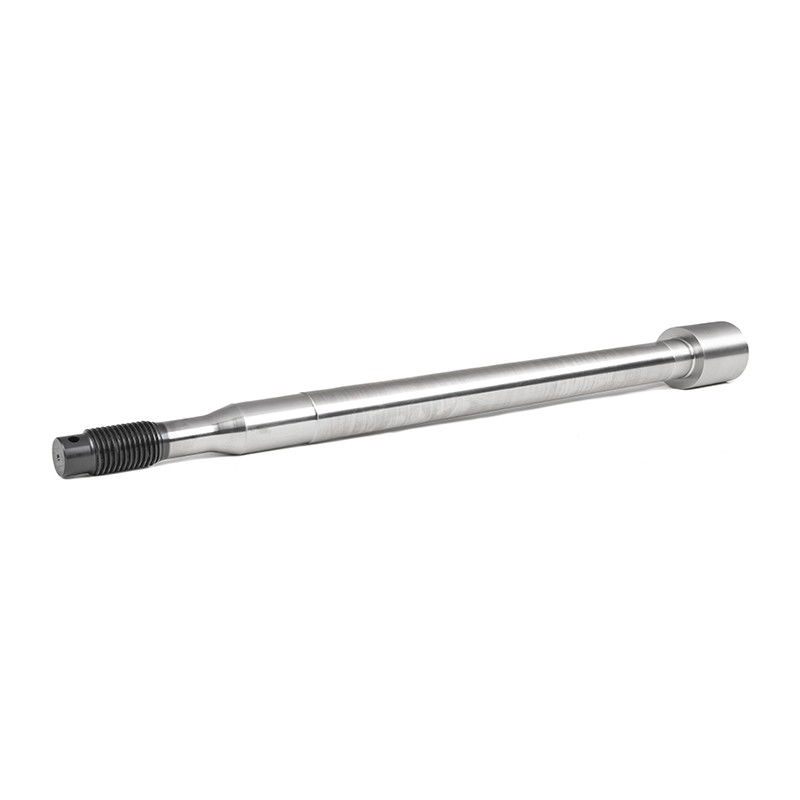
If you’re tired of throwing money away on steam leakage, dealing with unexpected turbine outages, or seeing your efficiency stuck at a number that feels like it’s way too low, let’s talk. We don’t do one-size-fits-all seals—we work with your specific turbine model, your operational load, your site environment, to design a seal upgrade that fits your needs and your budget. Whether you’re a power plant, an industrial refinery, a chemical plant, or any facility that relies on steam turbines, we’ve got the data, the field experience, and the custom solutions to help you save money, run more reliably, and stay compliant. Don’t let those small, worn seals keep your turbine from performing at its best—reach out to our team to start a conversation about your seal upgrade today.
Steam Turbine Seals References
- U.S. Department of Energy. (2021). Advanced Steam Turbine Technologies for Improved Efficiency and Reduced Emissions. Energy Efficiency and Renewable Energy Office.
- International Atomic Energy Agency. (2022. Steam Turbine Seal Performance and Operational Uptime for Power Generation. IAEA Nuclear Energy Series.
- American Society of Mechanical Engineers. (2020. Laboratory Testing and Field Validation of Advanced Steam Turbine Seal Designs. ASME Journal of Engineering for Gas Turbines and Power.
- Plant Operations and Maintenance Magazine. (2023. Reducing Steam Leakage: A Case Study of Seal Upgrades in Mid-Sized Fossil Power Plants. Industry Technical Report.
Hebei Guoyuan Electric Co., Ltd.
With abundant experience, we are one of the most professional steam turbine seals manufacturers in China. We warmly welcome you to buy discount steam turbine seals for sale here and get pricelist from our factory. Quality products and low price are available.
Address: No. 18 Tianshan Science and Technology Industrial Park, No. 319 Xiangjiang Road, Shijiazhuang High-tech Zone, Hebei Province, China
E-mail: turbine@goineep.com
WebSite: https://www.goineep.com/
