Let’s cut to the chase—if you’ve ever stared at a 200-pound, boxed silent generator set in your garage, scroll through a 40-page instruction manual, and thought, “Can I just tackle this myself?” you’re not alone. I’ve seen it a hundred times over the 7 years I’ve worked with silent generator sets as a supplier—homeowners panicking after a storm, small business owners trying to save a few hundred bucks on installation, even DIY folks who swear they can “wire anything” (we’ve all met that person). The truth is, I get the temptation. But before you grab your drill and start measuring space for your new unit, let’s talk about why professional installation isn’t just a fancy add-on—it’s the backbone of a silent generator that works when you need it, and doesn’t turn into a fire hazard or a neighborhood nuisance. Silent Generator Set

First, let’s get one thing straight: silent generator sets aren’t like the portable, gas-guzzling ones you pick up at a home improvement store for a weekend camping trip. Sure, portable units are designed to be hooked up to a generator cable with a little know-how, but standby silent generators—those permanently installed units that kick on automatically when the power goes out—are a totally different beast. I remember a customer named Jake who called me last winter after he tried to install his 18kW silent unit himself. He skipped the required transfer switch because he thought it was “unnecessary” and mounted the exhaust too close to his bedroom window. When a ice storm knocked out power for 12 hours, his generator ran for 8 hours straight—then overheated and shut down, spewing carbon monoxide into his garage. Luckily, he caught it before anyone got hurt, but he had to pay $1,200 to fix the wiring and relocate the exhaust, plus he missed 10 hours of power at his small auto shop because the generator failed. That’s the kind of hassle you can avoid if you listen to the experts.
Let’s break down the technical stuff, because this isn’t just about “following rules”—it’s about safety and performance. Silent generator sets are regulated by local building codes, electrical codes (think NEC in the U.S., or similar standards in other countries), and even environmental laws that dictate where you can place them, how they’re vented, and how they’re wired. A licensed electrician or generator installer isn’t just checking boxes—they know the ins and outs of these codes, and cutting corners here can have serious consequences. For example, carbon monoxide (CO) poisoning is a real risk with any generator, but silent models are often installed close to homes because their noise is low—so proper venting is non-negotiable. Professional installers know how to run exhaust pipes upward, away from air intakes, and size them correctly to prevent backpressure, which can make the generator run inefficiently and release more CO. A DIYer might use a cheap, too-short exhaust pipe to save time, and end up with a unit that’s silent but deadly.
Then there’s the electrical side. Silent standby generators are hardwired to your home’s or business’s electrical panel, which is way different than plugging a portable unit into an outlet. The transfer switch—another non-negotiable component—prevents backfeeding, which is when electricity from your generator flows back into the power lines and can electrocute line workers trying to fix a outage. I’ve heard too many stories of DIY installers who skipped the transfer switch, only to have a lineman get hurt during a storm. Even if you know your way around basic wiring, generator electrical systems have specific load requirements—matching the generator’s output to your building’s total electrical needs, properly grounding the unit, and making sure the wiring can handle the amps without overheating. A mistake here could cause a house fire, which is not worth the $500 you might save on DIY installation.
But it’s not just safety—performance matters too. Silent generator sets are engineered to operate at a specific noise level, usually between 52 and 65 decibels (about the volume of a normal conversation or a laundry machine) when installed correctly. If you mount the unit too close to property lines, or don’t use the right vibration isolators, that noise level can jump 10 to 15 decibels—loud enough to annoy your neighbors, get a noise complaint, or even violate local ordinances. Professional installers also test the unit after setup to make sure it starts automatically (no fumbling for a switch when the power goes out), runs smoothly under full load, and doesn’t have any leaks or malfunctions. A DIY installation might look fine on the surface, but small issues like a loose fuel line or a misaligned sensor can make the generator fail when you need it most. I had a customer last summer who did his own installation, and when the power went out during a heatwave, his generator wouldn’t turn on at all—because he forgot to connect the battery properly. By the time he fixed it, his AC had been out for 4 hours, and his restaurant lost $2,000 in spoiled food.
Wait, but what about the cost? I know, I know—DIY installation seems cheaper on the front end. But let’s do the math. A professional installation for a mid-sized silent generator set might cost between $1,500 and $3,000, depending on the unit size and your setup. If you try to do it yourself and make a mistake, you could end up paying for repairs, code violations that require you to redo the work anyway, or even medical bills if someone gets hurt. Plus, most generator warranties are void if the unit isn’t installed by a licensed professional. That’s a big one—if your generator breaks down a year later, the manufacturer won’t cover it if you skipped professional installation. I see this all the time: a homeowner installs the unit themselves, it breaks, they call the manufacturer, and they’re told their warranty is invalid. Then they have to pay full price for a new unit, on top of the installation costs they already spent. That’s way more expensive than just hiring a pro upfront.
But hold on—does that mean you have to hire a professional no matter what? What if you’re super handy, have experience with electrical work, and live in a small area where codes are loose? Even then, I’d still recommend hiring a generator specialist, not just a regular electrician. Silent generator sets are specialized equipment—they have different fuel systems (gas, propane, diesel, even natural gas), auto-start mechanisms, and exhaust systems that regular electricians might not be as familiar with. A generator installer will know the specific model you bought, the manufacturer’s guidelines, and how to set it up for maximum efficiency. They also have access to the right tools, like exhaust pipe cutters, load testers, and vibration meters, that most DIYers don’t have. I’ve seen electricians do fine work on homes, but botch a generator installation because they don’t understand the unique requirements of silent units.
Another point: post-installation support. A professional installer doesn’t just show up, hook up the generator, and leave. They’ll walk you through how to use it, show you how to test it monthly, and provide ongoing maintenance services. Silent generator sets need regular tune-ups—changing the oil, replacing the air filter, checking the spark plugs—to keep them running well. Many installation companies offer maintenance plans, which can extend the life of your generator and prevent unexpected breakdowns. If you install it yourself, you’re on your own for all that testing and maintenance, which is another thing that can lead to problems down the line.
Let’s talk about real-world examples, since that’s what matters most. Last year, a construction company I work with bought two 25kW silent generator sets for their job sites. They tried to save money by having their own in-house maintenance team install them, rather than hiring a professional. A month later, one of the units failed during a 10-day power outage on the site, delaying a project and costing them $15,000 in late fees. When they inspected the unit, we found that the exhaust was not properly vented, causing the generator to overheat. They had to pay to have it reinstalled by our certified team, plus they lost the late fees. The other unit was installed correctly by our team, and it ran flawlessly through the entire outage. That’s a $15,000 lesson in why professional installation is worth it.
I also want to address the myth that “it’s just wiring, how hard can it be?” Wiring a generator isn’t like wiring a light switch in your basement. Generators have high voltage, and a mistake can be fatal. The National Fire Protection Association (NFPA) reports that improperly installed generators cause hundreds of fires and dozens of deaths every year in the U.S. alone. That’s not a number to brush off. Even if you think you’re being careful, one small mistake in wiring can lead to a fire that destroys your home or business, or hurts the people you love.
Now, I’m not saying you’re incapable—if you’re a licensed electrician or a generator tech, go ahead and install your own unit. But for the average homeowner or small business owner, this is not a project to take on. Silent generator sets are an investment in peace of mind, whether you’re dealing with frequent power outages in your area, running a business that can’t afford to lose power, or just want to keep your family safe during a storm. The last thing you want is for that investment to become a liability because of a DIY mistake.
So, do you need a professional to install a silent generator set? The short answer is yes—for safety, performance, warranty protection, and peace of mind. But don’t just take my word for it. Talk to any generator specialist, any fire marshal, or any homeowner who’s tried DIY installation, and they’ll tell you the same thing. A professional installer might cost a little more upfront, but it’s the best way to make sure your silent generator works when you need it, doesn’t cause problems for your neighbors, and is covered by warranty if something goes wrong.
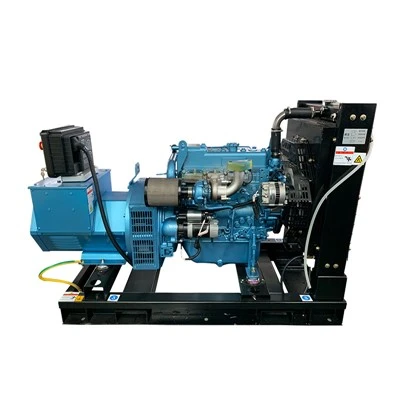
If you’re ready to invest in a silent generator set for your home or business, and you want to make sure it’s installed correctly, reach out to our team. We’ll connect you with certified installers who know our units inside and out, can walk you through the process, and make sure your generator is ready to keep your power on when the grid goes down. Don’t risk your safety, your property, or your investment—let the pros handle the installation.
Open-type Generator Set References
- National Fire Protection Association. (2022). Generator Safety: Risks and Prevention. NFPA Journal.
- Occupational Safety and Health Administration. (2021). Carbon Monoxide Hazards from Portable and Stationary Generators. OSHA Safety and Health Topics.
- International Code Council. (2023). International Residential Code (IRC) Requirements for Standby Generator Installation.
- Generator Energy Association. (2022). Warranty Terms and Conditions for Silent Standby Generator Sets. GEA Technical Bulletin.
- U.S. Department of Energy. (2021). Best Practices for Standby Generator Installation and Maintenance. DOE Energy Efficiency and Renewable Energy Office.
China Modo Investment Co., Ltd.
As one of the most professional silent generator set manufacturers and suppliers in China, our products have good reputation in the market. We warmly welcome you to wholesale advanced silent generator set in stock here from our factory. If you have any enquiry about cooperation, please feel free to email us.
Address: Boye Industrial Park,Baoding city,Hebei Province,China.
E-mail: sales@mstengine.com
WebSite: https://www.mst-engine.com/
